


Recommended products
 exercise mats for home gym
 soft floor for playground
 3 4 inch gym mats
 ping pong floor mat
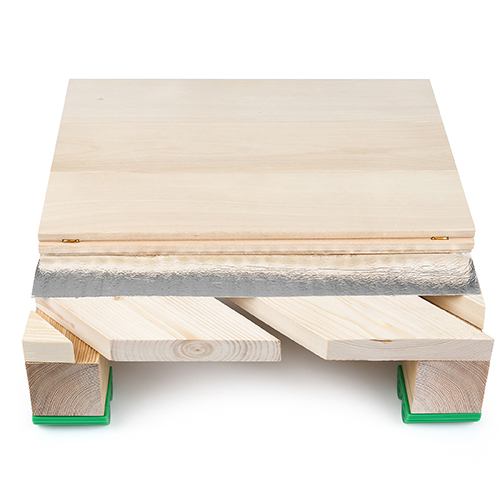 gymnastics spring mat
 commercial hard flooring



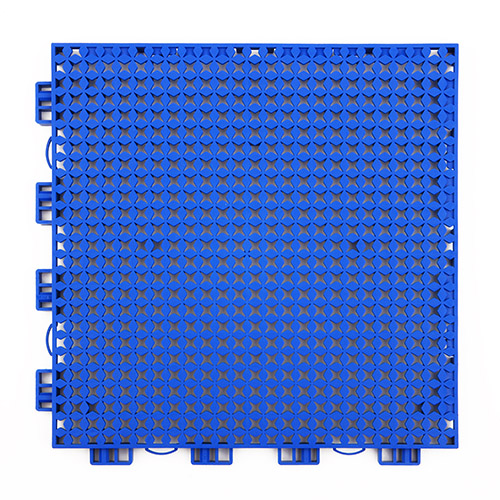
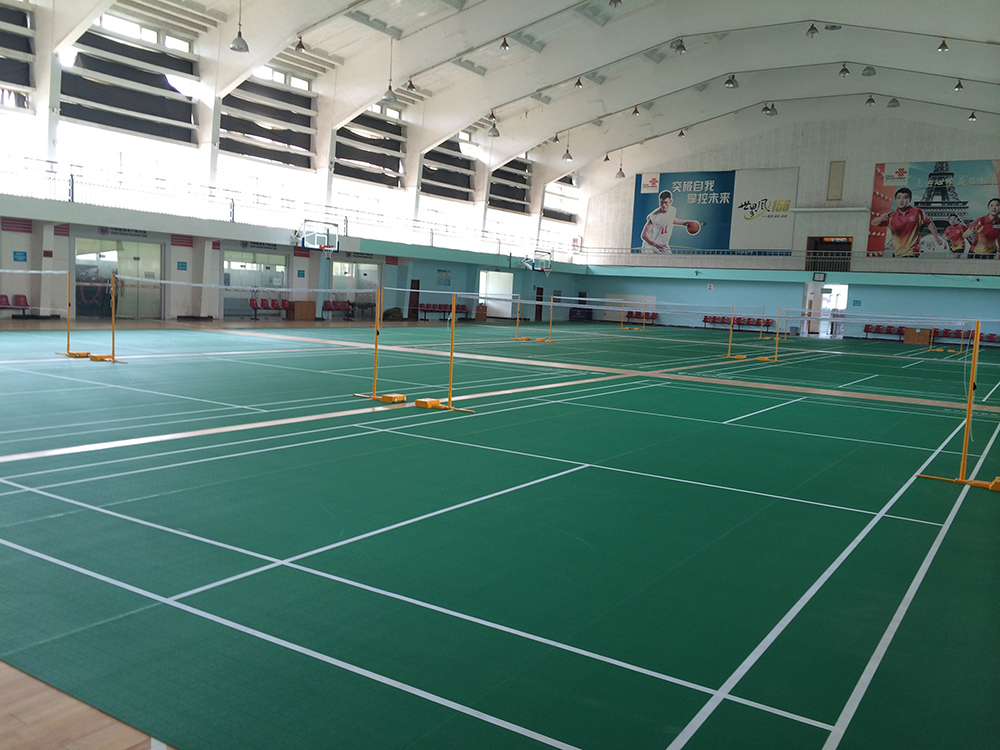


-

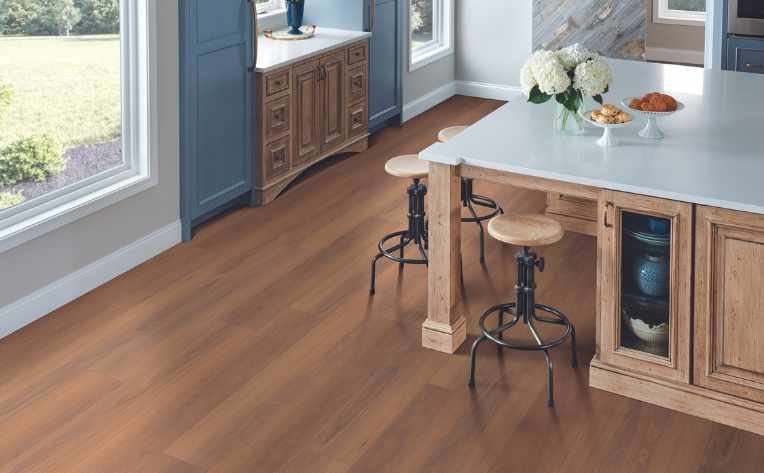
centurity commercial vinyl plank flooring
Exploring Centurity Commercial Vinyl Plank Flooring A Perfect Choice for Modern Spaces When it comes to selecting flooring solutions for commercial spaces, durability, aesthetics, and cost-effectiveness are often at the forefront of decision-making. Centurity Commercial Vinyl Plank Flooring emerges as a leading option that brilliantly encapsulates these qualities, making it an ideal choice for a w -
A Comprehensive Guide to Choosing the Perfect Yoga Mat for Gym Workouts and Practices
The Importance of Choosing the Right Yoga Mat for Your Gym Practice When practicing yoga, one essential piece of equipment that often goes unnoticed is the yoga mat. While it may seem like a simple accessory, a good-quality yoga mat can significantly enhance your practice at the gym and provide numerous benefits, whether you are a beginner or a seasoned yogi. Understanding why a yoga mat is crucia -
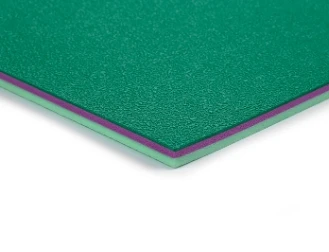
7 Types of Wood Flooring: Hardwood Flooring Guide Hardwood Floor
There are a number of types of wood flooring that homeowners can choose for their home’s floors, each of which has different relative advantages and disadvantages. Read on to learn more about the wood flooring types and the factors to consider when you’re choosing which kind you want to use. What Is Wood Flooring? Wood flooring is any type of permanent floor that has the appearance of wood, whethe
Join Our Newsletter
We Strive To Provide Customers With Quality Products.Request Information,Sample & Quate,Contact Us !

about us

pickleball sport court dimensions
A pickleball sports court is essential for playing this fast-growing sport, whether for recreational use, community spaces, or professional tournaments. Understanding the pickleball sport court dimensions and pickleball sport court costs is crucial for building a high-quality court that meets regulations and player expectations. Pickleball Sport Court Dimensions Official Dimensions A regulation pickleball sports court is designed for both singles and doubles matches. The court dimensions follow specific guidelines set by organizations like USA Pickleball. Court Size : 20 feet wide by 44 feet long (same as a doubles badminton court). Non-Volley Zone (Kitchen) : A 7-foot area on both sides of the net, extending from the net to the first boundary line. Net Height : 36 inches at the sidelines. 34 inches at the center. Playing Area : Minimum recommended space: 30 feet wide by 60 feet long. Preferred for tournaments: 34 feet wide by 64 feet long (to allow extra room for players to move safely). Types of Pickleball Courts Dedicated Pickleball Courts : Built specifically for pickleball, meeting all size and surface requirements. Ideal for professional and community use. Multi-Sport Courts : Courts that combine pickleball with other sports, like tennis or basketball. Requires adjustable nets and multi-purpose surface markings. Temporary Pickleball Courts : Set up using portable nets and boundary markers on existing surfaces. Great for recreational and temporary setups. Pickleball Sports Court Cost The cost of constructing a pickleball court depends on factors such as the court type, surface materials, and additional features like lighting or fencing. 1. Construction Costs Here’s an approximate cost breakdown for building a single pickleball court: Material Cost Range (per court) Asphalt Base $15,000–$25,000 Concrete Base $20,000–$40,000 Acrylic Coating $3,000–$7,000 Modular Tiles $10,000–$30,000 2. Additional Features Fencing : $3,000–$6,000 for chain-link fencing around the court. Lighting : $2,500–$5,000 for LED lights suitable for nighttime play. Net Systems : $500–$1,500 for durable, adjustable nets. Court Markings : $300–$1,000 for painting or taping boundary lines. 3. Maintenance Costs Annual Resurfacing : $1,000–$3,000 (depending on wear and weather exposure). Cleaning and Repairs : $500–$2,000 annually. 4. Multi-Court Discounts Building multiple courts in one location significantly reduces the per-court cost due to shared resources like fencing and lighting. Factors Affecting Court Cost Surface Material : Asphalt and concrete are the most common bases. Modular tiles are more expensive initially but easier to maintain. Location : Costs vary by region due to labor and material availability. Indoor vs. Outdoor : Outdoor courts require weather-resistant coatings and materials. Indoor courts save on fencing and weatherproofing but may need specialized flooring. Customization : Adding logos, custom colors, or branded elements increases costs. Steps to Build a Pickleball Court Plan the Layout : Measure the available space and ensure it meets the minimum recommended dimensions. Consider room for amenities like seating, pathways, or shaded areas. Choose the Surface : For professional play, opt for an acrylic-coated asphalt or concrete surface. For versatility, consider modular tiles. Install the Base : Prepare the ground and lay the base material (asphalt or concrete). Ensure proper leveling and drainage. Apply Coatings or Install Tiles : Add non-slip acrylic coatings or install modular tiles. Mark Court Lines : Paint or tape the boundaries according to regulation dimensions. Add Accessories : Install nets, posts, lighting, and fencing. Popular Surface Options for Pickleball Courts Acrylic Coated Surfaces : Pros : Durable, slip-resistant, customizable colors. Cons : Requires periodic maintenance. Modular Sports Tiles : Pros : Easy installation, excellent drainage, long-lasting. Cons : Higher upfront cost. Synthetic Sports Flooring (Indoor Courts): Pros : Provides excellent grip and comfort. Cons : Limited to indoor use. Building a pickleball sports court involves careful planning and investment, but it offers long-term benefits for players and communities. By adhering to official pickleball sport court dimensions , selecting the right materials, and budgeting for additional features, you can create a court that meets professional standards and provides years of enjoyment. Whether you're constructing a single court or a multi-court facility, understanding the costs and options ensures a successful project tailored to your needs.